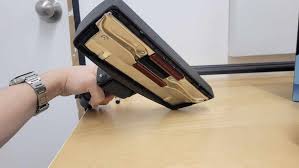
Figuring out the best vacuum cleaner heads can feel tricky at first. There are so many different types, and it’s hard to know which one is best for your home. But don’t worry!
We’ll break it all down easily. This guide will help you pick the perfect head for any mess. Let’s get started and make cleaning simple.
Key Takeaways
- Different floors need different vacuum cleaner heads.
- Understand the purpose of various brush types.
- Learn how to maintain your vacuum cleaner heads for better performance.
- Identify the right attachments for specific cleaning tasks.
- Discover how the right vacuum cleaner heads save time and effort.
Understanding Vacuum Cleaner Heads
Vacuum cleaner heads are the part of your vacuum that actually touches the floor or surface. They are super important because they do all the hard work of sucking up dirt and debris. Think of them as the shoes of your vacuum cleaner.
If the shoes don’t fit right or aren’t made for the terrain, the vacuum can’t do its job well. For beginners, it’s easy to overlook them or just use whatever is attached. This can lead to less effective cleaning, especially if you have different types of flooring like carpets, hardwood, or tile.
Many people might think all vacuum heads are the same, but they are designed with specific purposes in mind. For instance, a head designed for thick carpets will have stiff brushes to agitate the pile and lift dirt. A head for hard floors will be smoother, often with soft bristles, to avoid scratching and to effectively sweep up small particles without scattering them.
Knowing the difference can make a big impact on how clean your home gets. It also affects how long your vacuum cleaner lasts. Using the wrong head can cause damage.
This guide will help you learn about the main types of vacuum cleaner heads and how to choose the best one for your cleaning needs. We’ll explore how they work and what features to look for.
The Role of Brush Rolls
Brush rolls, also called beater bars, are a key component in many vacuum cleaner heads. They spin rapidly and have bristles or fins that agitate carpet fibers. This action helps to loosen embedded dirt, dust, and pet hair.
For homes with carpets, a good brush roll is essential for deep cleaning.
The design of the brush roll varies. Some have softer bristles for delicate carpets, while others have stiffer ones for industrial-grade cleaning. The speed at which the brush roll spins also matters.
Higher speeds generally provide better agitation, but they can also be harder on carpet fibers. Many vacuums allow you to adjust the brush roll height or turn it off completely, which is important for different surfaces.
For bare floors, a spinning brush roll can sometimes scatter debris. This is why many vacuum heads designed for hard floors have options to turn the brush roll off or have a specialized brush roll made of softer materials. Understanding your brush roll’s capabilities is the first step to effective vacuuming.
- Brush rolls agitate carpets to lift dirt and debris.
- Different bristle types suit various carpet pile heights and materials.
- Some brush rolls can be turned off or adjusted for bare floors.
- Pet owners often benefit from brush rolls designed to tackle shedding.
Types of Vacuum Cleaner Heads
There are several common types of vacuum cleaner heads, each suited for different cleaning tasks and surfaces. Understanding these types will help you choose the right one for your needs.
The Powerhead or Motorized Brush Head
This is the most common type for carpeted areas. It has a built-in motor that spins the brush roll. This provides powerful agitation to lift dirt from deep within carpet fibers.
These heads are excellent for removing pet hair and embedded grit.
A powerhead is usually wider than other attachments, covering more surface area with each pass. Many come with edge-cleaning features, meaning the brush extends to the sides, allowing you to get closer to baseboards and furniture legs.
The Combination Head
These versatile heads are designed to work on both carpets and hard floors. They typically feature a switch or button that allows you to retract or expose the brush roll. When the brush roll is retracted, it’s gentle on hard floors.
When it’s extended, it agitates carpets effectively.
Combination heads are a great space-saver and a good option if you have a mix of flooring types and don’t want to switch heads frequently. However, they might not offer the same specialized performance as a dedicated carpet powerhead or a hard floor-specific tool.
The Suction-Only Head
This type of head has no brush roll. It relies solely on the vacuum’s suction power to pick up dirt. Suction-only heads are ideal for delicate surfaces like hardwood floors, laminate, or area rugs where a spinning brush could cause damage or scatter debris.
They often have a soft felt strip or a rubber edge to help capture fine dust. Some models also include a squeegee-like edge to help seal against the floor for maximum suction. These are also good for cleaning up spills of dry materials.
Specialty Tools
Beyond the main floor heads, many vacuums come with smaller, specialized attachments. These include crevice tools for tight spots, upholstery tools for furniture, and dusting brushes for surfaces. While not floor heads, they are crucial parts of the vacuum system.
The crevice tool is long and narrow, perfect for getting into the gaps between couch cushions or along baseboards. The upholstery tool is usually wider with a fabric strip to prevent damage to furniture while still providing good suction. The dusting brush has soft bristles to gently remove dust from lampshades, blinds, and delicate items.
Choosing Vacuum Cleaner Heads for Different Floors
Selecting the right vacuum cleaner heads for your specific flooring is crucial for effective cleaning and prolonging the life of your floors and your vacuum. Different surfaces require different approaches to effectively remove dirt without causing harm.
Carpet Cleaning
For carpets, especially plush or high-pile varieties, a motorized powerhead is generally the best choice. The spinning brush roll is essential for agitating the carpet fibers and lifting embedded dirt, dust mites, and pet hair that suction alone cannot remove. The depth of the agitation needs to match the pile height.
Shorter, stiffer bristles are better for low-pile carpets, while softer, more flexible bristles are suitable for higher piles to avoid damage.
Many powerheads have adjustable height settings. This allows you to set the head at the correct distance from the carpet pile. Too high and it won’t clean effectively; too low and it can be difficult to push and may damage the carpet.
Some vacuums also allow you to turn the brush roll off if you need to clean a very delicate rug or a small area of hard floor with the same head.
Hard Floor Cleaning
Hardwood floors, laminate, tile, and vinyl require a gentler approach. For these surfaces, a suction-only head or a combination head with the brush roll turned off or retracted is ideal. A spinning brush roll on hard floors can scratch surfaces, scatter debris, or even push dirt deeper into grout lines.
Many hard floor heads feature soft bristles or a rubber edge to help capture fine dust without scratching.
Some specialized hard floor heads have a rotating microfiber or felt roller instead of stiff bristles. These are excellent at picking up fine dust and polishing the floor surface. They work by gently sweeping and trapping dirt.
For homes with lots of hard floors, consider a vacuum designed specifically for them, or one with an effective hard floor attachment.
Area Rugs
Area rugs can be a bit of a mixed bag. Low-pile area rugs can often be cleaned with a good suction-only head or a combination head with the brush roll on a low setting or turned off. High-pile or shag rugs need special care.
A vigorous brush roll can get tangled or damage the fibers. For these, a suction-only attachment with a wider opening or a specialized rug tool is often best.
Some vacuums offer specific rug attachments. These are typically wider and designed to provide strong suction without aggressive agitation. It’s always a good idea to test the attachment in an inconspicuous corner of the rug first to ensure it doesn’t cause any damage or excessive wear.
Real-life example: Sarah has a mix of plush carpets and polished hardwood floors. She found that using her vacuum’s standard powerhead on the hardwood scattered dust and made it difficult to get a clean sweep. She switched to a vacuum with a dedicated hard floor attachment and a combination head.
Now, she can easily switch between cleaning her carpets effectively with the powerhead and gently cleaning her hardwood floors with the specialized tool. This has made her cleaning routine much faster and more effective.
Maintaining Your Vacuum Cleaner Heads
Just like any tool, vacuum cleaner heads need care to perform at their best. Regular maintenance will extend their life and ensure your vacuum works efficiently. Neglecting them can lead to reduced suction power, ineffective cleaning, and even damage to your floors or the vacuum itself.
Cleaning Brush Rolls
The most common issue with brush rolls is tangled hair, string, and fibers. Over time, these can build up, preventing the brush from spinning freely and reducing its cleaning ability. Most vacuums have a way to access the brush roll.
You can usually remove it by unscrewing a plate or releasing clips.
Once removed, use scissors or a seam ripper to carefully cut away the tangled material. Be cautious not to cut the bristles themselves. Some people also use a vacuum cleaner’s own handheld crevice tool to help pull out debris.
After cleaning, reassemble the brush roll securely.
It’s a good idea to check and clean your brush roll at least once a month, or more often if you have pets that shed heavily. This simple step can significantly improve your vacuum’s performance.
Checking for Blockages
Blockages can occur not just in the brush roll but also in the main airway of the vacuum head. Check the opening where dirt enters the vacuum for any large debris that might be stuck. Also, look down the tube connecting the head to the vacuum body.
If you suspect a blockage, you can often dislodge it with a broom handle or a similar long, slender object. Be careful not to force anything. If you can’t clear it, you may need to disconnect the hose from the vacuum body and check both ends.
Worn Bristles or Seals
Over time, the bristles on your vacuum cleaner heads can become worn and less effective. If you notice that the bristles are bent, frayed, or significantly shorter than they used to be, it might be time to consider replacing the head or at least the brush roll. Worn bristles can’t agitate carpet effectively.
Similarly, check the seals around the edge of the vacuum head. These seals help to create a tight connection with the floor, ensuring maximum suction. If the rubber or felt seals are cracked, torn, or missing, your vacuum will lose suction power and won’t pick up dirt as well.
Statistics show that regular maintenance can increase a vacuum cleaner’s lifespan by up to 50%. A study by Consumer Reports found that vacuums that are regularly cleaned and maintained perform significantly better than those that are not.
Scenario: You notice your vacuum is no longer picking up pet hair from your carpet as well as it used to. When you look at the vacuum head, you see a significant amount of hair wrapped around the brush roll. You also notice that the bristles are starting to look a bit matted.
By carefully cutting away the hair and noticing the worn bristles, you understand why the performance has decreased. A quick clean-up and potentially a replacement brush roll will restore its effectiveness.
Specialized Vacuum Cleaner Heads and Attachments
Beyond the main floor heads, a variety of specialized attachments can make cleaning easier and more efficient. These tools are designed to tackle specific cleaning challenges that a standard floor head can’t handle.
The Upholstery Tool
This attachment is usually a flat, rectangular tool, often about 4-6 inches wide, with a strip of fabric or a brush along one edge. It’s designed for cleaning furniture, curtains, mattresses, and car interiors. The fabric or brush helps to loosen dirt and pet hair from the fabric surface while the vacuum’s suction pulls it away.
Using an upholstery tool on your sofa or chairs can significantly improve the cleanliness and appearance of your home. It’s also a great way to remove allergens from soft furnishings. For tougher jobs, look for upholstery tools with a motorized brush roll, often found on more advanced vacuums.
The Crevice Tool
The crevice tool is a long, narrow nozzle that is indispensable for cleaning hard-to-reach areas. It’s perfect for getting into the gaps between couch cushions, along baseboards, in car door pockets, and around radiators. Its slim profile allows it to access tight spaces where larger heads cannot fit.
Many vacuums come with a standard crevice tool, but some offer specialized versions, such as an extra-long crevice tool or a flexible one that can bend around corners. Regularly using a crevice tool can prevent dust and debris from accumulating in hidden spots.
Dusting Brushes
Dusting brushes feature soft bristles, similar to a paintbrush. They are used to gently remove dust from delicate surfaces like lampshades, blinds, electronics, and intricate decorations. The soft bristles capture dust without scratching or damaging the surface.
When using a dusting brush, it’s best to work from top to bottom so that dust falls onto surfaces that have not yet been cleaned. Many vacuums offer different sizes or stiffness levels of dusting brushes, allowing you to choose the best one for the job.
Pet Grooming Tools
For pet owners, some vacuums offer specialized pet grooming attachments. These tools can be used to brush your pet directly, capturing loose hair before it falls onto your floors and furniture. The collected hair is then sucked directly into the vacuum cleaner bag or bin.
These tools can be particularly beneficial for pets that shed a lot. They can help reduce the amount of fur around your home and may even make grooming more enjoyable for your pet if they are accustomed to it. It’s important to introduce these tools gradually to your pet to ensure they are comfortable with the process.
Example scenario: You are cleaning out your car and notice a lot of dirt and crumbs have accumulated in the tight spaces between the seats and in the door pockets. You also want to clean the fabric seats. Using the crevice tool, you can reach into all the narrow gaps, and then switch to the upholstery tool to clean the fabric surfaces effectively.
This combination allows you to give your car interior a thorough cleaning that would be difficult with just a standard vacuum head.
Understanding Suction Power and Vacuum Cleaner Heads
Suction power is what makes a vacuum cleaner work. It’s the force that pulls dirt and debris from surfaces into the vacuum cleaner’s collection bin. While a strong motor is important, the effectiveness of the suction is also heavily influenced by the vacuum cleaner head and how well it seals against the floor.
Airflow vs. Suction Power
It’s important to distinguish between airflow and suction power. Airflow, measured in cubic feet per minute (CFM), is the volume of air the vacuum can move. Suction power, measured in inches of water lift, is how strongly it can pull air.
While both are important, for deep cleaning carpets, strong suction is often more critical.
The design of the vacuum cleaner head plays a huge role in maximizing both airflow and suction. A well-designed head creates a seal against the floor, preventing air from escaping. This concentrated airflow and suction are then directed precisely at the dirt you want to pick up.
The Importance of a Good Seal
A good seal between the vacuum cleaner head and the floor is absolutely essential for effective cleaning. If there are gaps, air will escape, and the suction power at the point of contact will be significantly reduced. This is why many vacuum heads have flexible edges or brush skirts that help conform to different floor surfaces.
For hard floors, a smooth, flat edge is needed to prevent scratching and to create a good seal. For carpets, the seal needs to be tight enough to direct the airflow and agitation effectively into the carpet pile. If your vacuum head feels like it’s lifting off the floor, you might have a poor seal or a blockage.
Adjusting Vacuum Cleaner Heads for Performance
Many vacuum cleaner heads have adjustable features to optimize performance. For example, some have adjustable height settings for the brush roll, as mentioned before. This is crucial for different carpet thicknesses.
Setting the height too high means the brush won’t agitate the carpet properly. Setting it too low can make it difficult to push and can damage the carpet fibers or the vacuum head.
Some vacuums also allow you to adjust the suction level. Lowering the suction can be useful for delicate rugs or curtains, preventing them from being too heavily pulled into the head. Increasing the suction is generally better for deep cleaning carpets.
Statistic: According to a leading appliance manufacturer, over 60% of consumers do not clean their vacuum filters regularly, which can significantly reduce suction power and impact the performance of the vacuum head.
Case Study: A homeowner with allergies found that their vacuum wasn’t picking up dust as effectively as it used to, even after cleaning the filters. Upon inspection, they realized the rubber seal around the edge of the vacuum head had a tear. Replacing this seal created a much better vacuum-to-floor connection, dramatically improving the suction and their ability to clean up fine dust and allergens.
Common Myths Debunked
Myth 1: All Vacuum Cleaner Heads Are Interchangeable
Reality: While some universal attachments exist, most vacuum cleaner heads are designed to fit specific brands and models. The connection point, known as the wand or hose attachment, can vary greatly in size and type. Forcing an incompatible head onto a vacuum can damage both the head and the vacuum cleaner itself.
Myth 2: A More Powerful Motor Always Means Better Cleaning
Reality: While motor power is important, the design of the vacuum cleaner head and its ability to create a good seal with the floor are equally, if not more, crucial. A powerful motor with a poorly designed head will not clean effectively. Airflow and the mechanical action of brush rolls also play significant roles.
Myth 3: You Only Need One Vacuum Cleaner Head
Reality: Most homes benefit from having multiple vacuum cleaner heads or attachments. Different floor types and cleaning tasks require specialized tools. For example, a powerful motorized head is great for carpets, but a suction-only head or a soft brush attachment is better for hardwood floors or delicate surfaces.
Myth 4: Vacuum Cleaner Heads Don’t Need Maintenance
Reality: Like any tool, vacuum cleaner heads require regular maintenance. Tangled hair, debris, and worn bristles can severely impact performance. Cleaning brush rolls and checking for blockages are essential steps for maintaining optimal suction and cleaning efficiency.
Frequently Asked Questions
Question: How often should I clean the brush roll on my vacuum cleaner head?
Answer: It is recommended to clean the brush roll at least once a month. If you have pets that shed a lot, or if you notice reduced performance, clean it more frequently, perhaps every couple of weeks.
Question: Can I use a vacuum head with a brush roll on my hardwood floors?
Answer: Generally, it’s best to avoid using a spinning brush roll on hardwood floors as it can cause scratches. Opt for a suction-only head or a combination head with the brush roll turned off or retracted.
Question: My vacuum cleaner head seems to be losing suction. What could be the problem?
Answer: Several issues could cause this. Check for blockages in the head or hose, ensure the dustbin or bag is not full, clean or replace the filters, and check for any damage to the seals around the vacuum head.
Question: What is the best vacuum cleaner head for picking up pet hair?
Answer: For carpets, a powerhead with a strong, fast-spinning brush roll is most effective. Many vacuums designed for pet owners also feature specialized brush rolls or attachments with anti-tangle technology.
Question: How do I know if my vacuum cleaner head is worn out?
Answer: Signs of a worn-out vacuum cleaner head include flattened or broken bristles, visible damage to seals, or a noticeable decrease in cleaning performance that cannot be fixed by cleaning or clearing blockages.
Summary
Choosing the right vacuum cleaner heads makes a big difference. Understand your floor types and the specific job at hand. From powerheads for carpets to gentle suction heads for hard floors, the correct tool ensures a cleaner home and protects your surfaces.
Regular care of your vacuum heads keeps them working their best, saving you time and effort with every clean.