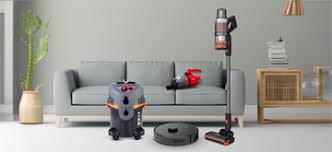
Picking the right vacuum can be tough. There are so many options out there, and it’s easy to get confused. People often wonder about different vacuum cleaner types because they all look and sound a bit different.
But don’t worry! This guide will make it simple. We’ll walk through each kind so you can find the best fit for your home.
Key Takeaways
- You will learn about different vacuum cleaner styles.
- Understand the pros and cons of each type.
- Discover which vacuum is best for specific cleaning needs.
- Get tips on choosing a vacuum for your home size and floor types.
- Learn how features impact vacuum performance.
- Feel confident in selecting the right vacuum cleaner.
Understanding Vacuum Cleaner Types
Choosing a vacuum cleaner can feel like a big decision. With so many models and styles available, knowing where to start can be confusing. This section breaks down the main categories of vacuum cleaners.
We will look at what makes each one unique and what jobs they do best. This helps you understand the landscape before picking one.
Upright Vacuums
Upright vacuums are the classic choice for many homes. They have a tall body that you push around. The motor and the dustbin are all in one unit that stands upright.
This design makes them good for large, open floor areas, especially carpets. They often have a wide cleaning path, meaning they cover more ground quickly. Many uprights also have adjustable height settings.
This allows them to work well on different carpet thicknesses. They are also good for quick cleanups.
A key benefit of upright vacuums is their power. They are often designed to suck up dirt and debris effectively. Many come with brush rolls that agitate carpet fibers.
This helps to loosen embedded dirt. This is especially useful for homes with pets. The brush roll can help lift pet hair from carpets.
Some upright models also convert to canister vacuums. This gives them more versatility for cleaning stairs or upholstery.
- Versatile Cleaning: Upright vacuums are great for carpets and can also handle some hard floors. Their strong suction is useful for deep cleaning.
- Ease of Use on Carpets: The brush roll in most uprights makes them very effective at lifting dirt and hair from carpet fibers.
- Convenient Storage: Their upright design means they can often be stored easily against a wall or in a closet.
Canister Vacuums
Canister vacuums separate the motor and dustbin from the cleaning head. The main body, or canister, sits on the floor and is often on wheels. A hose connects the canister to the wand and cleaning head.
This design offers more flexibility. You can easily maneuver the cleaning head under furniture or around obstacles. The hose and wand allow you to reach high places, like curtains or ceiling fans.
This makes them very adaptable for different cleaning tasks.
Canister vacuums are known for their quiet operation compared to some uprights. They also tend to be lighter to push around because you are only moving the wand and head. This can be helpful for people with back issues or those who need to clean for longer periods.
Many canister vacuums come with a variety of attachments. These attachments are designed for specific cleaning jobs, like cleaning upholstery, crevices, or bare floors.
- Maneuverability: The separate canister and hose allow for easy cleaning around furniture and in tight spaces.
- Versatile Attachments: Canister vacuums usually come with many tools for cleaning different surfaces and areas, from floors to ceilings.
- Quiet Operation: Many users find canister vacuums to be less noisy than other types.
Stick Vacuums
Stick vacuums are lightweight and slim. They are designed for quick cleanups and easy storage. Think of them as a sleeker, more modern version of a broom.
They are ideal for smaller homes or apartments. They are also perfect for maintaining cleanliness between deeper cleans. Many stick vacuums are cordless, offering great freedom of movement without being tethered to a power outlet.
They are battery-powered. Charging usually happens by docking them onto a wall mount.
The main advantage of stick vacuums is their convenience. You can grab one easily for spills or dust bunnies. They are much faster to use than a full-size vacuum for small messes.
Many models can convert into handheld vacuums. This adds to their versatility. They can be used to clean car interiors, furniture, or countertops.
While not as powerful as some larger vacuums, newer models offer impressive suction. They are great for hard floors and low-pile carpets.
- Lightweight and Portable: Their slim design makes them easy to carry and use for quick tasks.
- Cordless Freedom: Many models are cordless, making it easy to clean anywhere without worrying about power cords.
- Convenient for Small Spaces: Stick vacuums are excellent for apartments, dorm rooms, or as a secondary cleaning tool.
Handheld Vacuums
Handheld vacuums are small, portable, and battery-powered. They are designed for spot cleaning. Think of them for cleaning up crumbs on a table, dirt in a car, or pet hair on a couch.
They are not meant for cleaning entire floors. Their small size makes them very easy to store. They can fit in drawers or small shelves.
Many stick vacuums can also detach to become handheld vacuums. This offers the best of both worlds.
The simplicity of handheld vacuums is their biggest strength. You don’t need to plug them in or assemble anything. Just pick them up and start cleaning.
They are perfect for families with young children or pet owners. They can quickly clean up small messes. While their dustbins are small, they are easy to empty.
This makes them a practical tool for everyday cleanups.
- Ultimate Portability: Handheld vacuums are the most portable option for cleaning small messes on the go.
- Quick Spot Cleaning: They are ideal for immediate cleanup of spills, crumbs, and pet hair on surfaces.
- Easy to Store: Their compact size means they can be stored almost anywhere, making them accessible when needed.
Robot Vacuums
Robot vacuums are automated cleaning devices. They use sensors and mapping technology to clean your floors on their own. You can schedule them to clean at specific times.
Some can even connect to Wi-Fi, allowing you to control them with an app or voice commands. They are great for maintaining cleanliness in your home daily. They can get under furniture and clean areas you might miss.
These vacuums are excellent for busy individuals or those who want to reduce their cleaning workload. They are best suited for homes with mostly hard floors or low-pile carpets. Some advanced models can even mop floors.
While they are not a
- Automated Cleaning: Robot vacuums clean your floors automatically, saving you time and effort.
- Scheduled Cleaning: You can set them to clean on a schedule, so your floors stay clean without you lifting a finger.
- Smart Features: Many models offer app control, scheduling, and even voice command integration.
Wet/Dry Vacuums
Wet/dry vacuums, also known as shop vacs, are heavy-duty cleaners. They can pick up both solid debris and liquids. This makes them incredibly versatile for tough jobs.
They are commonly used in garages, workshops, or for DIY projects. They can clean up spills, sawdust, mud, or even water. They have large capacity tanks to hold both dry debris and liquid messes.
The power of a wet/dry vacuum is significant. They are built for durability and performance. They often have strong suction power.
This allows them to tackle very dirty or wet messes that regular vacuums cannot handle. Many come with a blower function as well. This adds to their utility.
They are not typically used for regular household dusting. Their size and design are more suited for larger, messier tasks.
- Handles Liquids and Solids: The unique ability to clean up both wet and dry messes makes them very versatile.
- Powerful Suction: Wet/dry vacuums are designed for tough jobs and offer strong cleaning power.
- Durable Construction: They are built to withstand rough use in workshops, garages, and during construction or repair projects.
Comparing Vacuum Cleaner Types
Choosing the right vacuum depends on your specific needs. Each type of vacuum has its strengths and weaknesses. By comparing them directly, you can make a more informed decision.
We will look at how different types stack up in terms of performance, ease of use, and suitability for various home environments. This comparison will help you see which vacuum cleaner types are the best fit for you.
Performance on Different Floor Types
Not all vacuums work equally well on all floor types. Upright vacuums with powerful brush rolls excel on carpets. They agitate the carpet fibers to lift embedded dirt and hair.
For homes with a mix of carpets and hard floors, some uprights offer adjustable brush roll speed or can turn the brush roll off. Canister vacuums often come with specialized heads for hard floors. These heads typically have softer brushes or a smooth surface to avoid scratching.
Stick vacuums are generally good on hard floors and very low-pile carpets. They might struggle with thicker carpets due to their lighter build and smaller brush rolls. Robot vacuums can manage both, but their effectiveness can vary.
Wet/dry vacuums are built for heavy-duty messes and are not typically optimized for everyday floor cleaning.
Upright Vacuums
- Carpet: Excellent, especially for medium to high pile.
- Hard Floors: Good, with some models performing better than others.
- Bare Floors: Can be effective, but some may push debris around if not designed correctly.
Canister Vacuums
- Carpet: Good, especially with the right attachments.
- Hard Floors: Very good, often with specialized floor heads.
- Bare Floors: Excellent, as they can pick up fine dust without scattering it.
Stick Vacuums
- Carpet: Fair to good, best on low-pile carpets.
- Hard Floors: Excellent, very effective at picking up dirt.
- Bare Floors: Ideal for quick cleanups and daily maintenance.
Robot Vacuums
- Carpet: Fair to good, some models struggle with thicker carpets.
- Hard Floors: Very good, efficient at daily cleaning.
- Bare Floors: Excellent for maintenance and keeping floors tidy.
Ease of Use and Maneuverability
Ease of use is a major factor for many consumers. Upright vacuums are straightforward to operate, but their weight can be an issue for some. They can be a bit cumbersome to push.
Canister vacuums offer excellent maneuverability. You only move the wand and the cleaning head, which are much lighter. This makes them easier to use around furniture and for reaching high spots.
Stick vacuums are incredibly easy to maneuver. Their lightweight and cordless design makes them ideal for quick cleanups. Handheld vacuums are the easiest to use for small, localized messes.
Robot vacuums require very little physical effort once set up. You just press a button or schedule a cleaning.
Consider how much effort you want to put into cleaning. If you have a lot of stairs, a lighter stick or canister vacuum might be better. If you have a large home with many obstacles, the maneuverability of a canister or robot vacuum could be a huge advantage.
| Vacuum Type | Physical Effort | Maneuverability | Setup Time |
|---|---|---|---|
| Upright | Moderate to High | Moderate | Low |
| Canister | Low to Moderate | High | Low |
| Stick | Very Low | Very High | Very Low |
| Handheld | Very Low | Extremely High | Very Low |
| Robot | Very Low (after setup) | High (automated) | Moderate (initial setup) |
Suction Power and Cleaning Performance
Suction power is what makes a vacuum effective. Generally, larger motors and better seal designs lead to stronger suction. Upright and canister vacuums often have the strongest suction.
This is because they can house larger motors and filtration systems. They are designed for deep cleaning. Stick vacuums have improved significantly in suction power.
Many modern cordless stick vacuums offer performance comparable to corded models. However, battery life can be a limitation. Robot vacuums have decent suction for their size.
They are best for surface dirt and maintaining clean floors. Wet/dry vacuums are designed for raw power and can handle very heavy debris.
When looking at performance, also consider the filtration system. High-efficiency particulate air (HEPA) filters are important for allergy sufferers. They trap very small particles like pollen and dust mites.
Most high-quality vacuums offer some form of good filtration.
- HEPA Filtration: Essential for homes with allergies or asthma. This advanced filter captures 99.97% of particles as small as 0.3 microns.
- Motor Power: A stronger motor generally means better suction. Look for wattage or air watts for an indication, though design also plays a role.
- Sealing: A well-sealed vacuum prevents dirt from escaping back into the air. This is as important as suction power.
Features and Accessories
Vacuums come with a wide range of features and accessories. These can significantly impact your cleaning experience. Many upright and canister vacuums come with crevice tools and upholstery brushes.
These are great for cleaning edges, corners, and furniture. Some models have specialized pet hair attachments. These are designed to remove stubborn animal fur.
Stick vacuums often convert to handhelds. They might also include small brush heads for cleaning cars or furniture. Robot vacuums can have features like self-emptying bases.
This means they can empty their dustbins into a larger container in their charging station. This reduces how often you need to empty the vacuum itself.
Think about the specific cleaning challenges in your home. Do you have a lot of stairs? Do you need to clean pet hair from upholstery?
Are you trying to reach high shelves? The right accessories can make a big difference.
- Specialized Tools: Crevice tools, dusting brushes, and upholstery tools help clean hard-to-reach areas and different surfaces.
- Pet Features: Tools specifically designed to pick up pet hair from carpets and furniture are a lifesaver for pet owners.
- Bagged vs. Bagless: Bagged vacuums contain dust better but require buying replacement bags. Bagless vacuums are more convenient but can be messier to empty.
Choosing the Right Vacuum Cleaner Types for Your Home
Now that we have explored the different vacuum cleaner types, let’s talk about how to pick the best one for your specific home. Your home’s size, your floor types, and your personal cleaning habits all play a big role. This section will guide you through making that final decision.
We aim to simplify the process so you can buy with confidence.
For Apartments and Small Spaces
If you live in an apartment or a smaller home, you likely don’t need a massive, heavy-duty vacuum. A stick vacuum is often an excellent choice. They are lightweight, easy to store, and perfect for quick cleanups.
Many are cordless, giving you freedom to move around without a cord. A good quality cordless stick vacuum can handle most cleaning needs in a smaller space.
A handheld vacuum can also be a great addition. It’s perfect for spot cleaning small messes, like crumbs on the kitchen counter or dirt in a car. If you have mostly hard floors, a stick vacuum with a good hard floor brush is ideal.
If you have some carpet, make sure the stick vacuum you choose has enough power to handle it.
- Prioritize Lightweight Design: For small spaces, ease of movement and storage are key.
- Consider Cordless Models: The freedom from cords makes cleaning quick and convenient.
- Look for Compact Storage Options: Wall mounts or slim designs are perfect for limited space.
For Homes with Carpets and Pets
If your home has a lot of carpet and you share it with furry friends, you need a powerful vacuum. An upright vacuum is a solid choice. Look for models with strong suction and a good brush roll.
These features are essential for digging dirt and pet hair out of carpet fibers. Many upright vacuums are designed specifically for pet owners. They often come with specialized tools for removing pet hair from upholstery and stairs.
A canister vacuum with a good carpet attachment can also be very effective. They offer strong suction and flexibility for cleaning different areas. If you choose a robot vacuum, make sure it’s designed for pet owners.
It should have good suction and be able to pick up hair without getting tangled easily.
- Powerful Suction is Key: You need a vacuum that can lift embedded dirt and pet hair from deep within carpets.
- Effective Brush Roll: A good brush roll agitates carpet fibers and helps lift stubborn fur.
- Pet-Specific Attachments: Tools designed for removing hair from furniture and stairs are incredibly useful.
For Homes with Mostly Hard Floors
Homes with mostly hard floors, like hardwood, tile, or laminate, have different vacuuming needs. You need a vacuum that can pick up fine dust and debris without scattering it. Canister vacuums are often excellent for this.
They usually come with specialized floor heads designed for bare floors. These heads gently clean without scratching.
Stick vacuums are also a great option. Their slim design and ability to pick up dust effectively make them ideal for hard floors. Many modern stick vacuums have excellent suction for this purpose.
You can also consider a robot vacuum. They are great for keeping hard floors clean daily. Just ensure it has good dust pickup and doesn’t scratch your floors.
- Specialized Floor Heads: Look for vacuums with soft brushes or smooth surfaces for bare floors.
- Dust Pickup Efficiency: The vacuum should effectively capture fine dust without pushing it around.
- Maneuverability around Furniture: Good for cleaning around table legs and under cabinets.
For Deep Cleaning and Tough Messes
For serious deep cleaning and tackling tough messes, you might need a more powerful machine. A high-quality upright or canister vacuum is a good starting point. These types generally offer the strongest suction and best filtration for thorough cleaning.
For extremely dirty environments, like workshops or garages, a wet/dry vacuum is essential. They can handle large amounts of dirt, debris, and even liquids.
Consider vacuums with HEPA filtration if you have allergies or need to capture very fine dust. Bagged vacuums can also be beneficial for deep cleaning, as they contain dust more effectively during disposal.
- Maximum Suction Power: Essential for lifting deep-seated dirt and allergens from carpets and surfaces.
- Advanced Filtration Systems: HEPA filters are crucial for trapping fine dust and allergens, improving air quality.
- Durability and Capacity: For tough jobs, a robust machine with a large dust capacity is needed.
Common Myths Debunked
Frequently Asked Questions
Question: Do I need a vacuum with a HEPA filter?
Answer: A HEPA filter is highly recommended if anyone in your household has allergies or asthma. It traps tiny particles like pollen, dust mites, and pet dander, significantly improving indoor air quality.
Question: Are cordless vacuums powerful enough for deep cleaning?
Answer: Many modern cordless stick vacuums offer excellent suction power that rivals corded models. They are great for everyday cleaning and can handle most carpet types, but battery life might limit very long cleaning sessions.
Question: Can a robot vacuum replace my regular vacuum cleaner?
Answer: Robot vacuums are fantastic for maintaining cleanliness between deep cleans. However, they typically don’t offer the same deep cleaning power as a full-sized upright or canister vacuum, especially on thicker carpets or for very dirty areas.
Question: What is the difference between a bagged and bagless vacuum?
Answer: Bagged vacuums collect dirt in a disposable bag, which helps contain dust and allergens. Bagless vacuums use a collection bin that you empty, offering convenience but potentially releasing more dust into the air during emptying.
Question: How often should I replace parts like filters or belts?
Answer: This depends on the vacuum model and usage. Filters usually need to be cleaned or replaced every 6-12 months. Brush roll belts may need replacing if they become worn or broken, often indicated by reduced cleaning performance.
Summary
Choosing among various vacuum cleaner types is about matching the tool to your home. From powerful uprights for carpets to maneuverable canisters, lightweight sticks, and automated robots, each has a role. Consider your floor types, space size, and specific cleaning needs, like pet hair or allergies, to find the best fit.
You now have the knowledge to select a vacuum that makes cleaning easier.