Learning new words can sometimes feel tricky, especially when you’re just starting out. One phrase that might pop up is vacuum cleaner in spanish. It might seem a bit confusing at first glance, but don’t worry!
We’re going to break it down super easy. Think of it like learning to tie your shoes; it looks hard, but with a few simple steps, you’ll get it. We’ll make sure you feel confident about this phrase and more.
Let’s find out what it means and how to use it without any fuss.
Key Takeaways
- You will learn the most common ways to say “vacuum cleaner” in Spanish.
- Understand the subtle differences between various Spanish terms for vacuum cleaners.
- Discover how context affects which Spanish word to use.
- Learn about related vocabulary you might encounter.
- Get tips on practicing and remembering the Spanish terms.
Understanding Vacuum Cleaner In Spanish
When you want to talk about a vacuum cleaner in Spanish, there are a few words you might hear. The most common and widely understood term is aspiradora. This word is used across many Spanish-speaking countries and refers to the general appliance used for cleaning floors and surfaces by suction.
An aspiradora is an electrical device. It uses a motor to create suction. This suction pulls dirt, dust, and debris from carpets, rugs, and hard floors.
It then collects this waste in a bag or a container.
Think about buying a new one. You might ask, “¿Dónde puedo encontrar una aspiradora nueva?” This means, “Where can I find a new vacuum cleaner?” It’s a straightforward way to ask for the item.
Other terms exist, but aspiradora is usually the safest bet for most situations. It’s like knowing the English word “car”; you don’t always need to specify if it’s a sedan, SUV, or sports car unless you want to be very precise.
The word aspiradora comes from the verb aspirar, which means “to inhale” or “to suck in.” This makes perfect sense, as that’s exactly what a vacuum cleaner does.
The Main Term Aspiradora
Aspiradora is the most frequent word you’ll encounter. It’s used for the standard upright or canister vacuum cleaners found in homes. If you’re visiting a friend in Madrid or Mexico City and they mention their aspiradora, they are talking about their vacuum cleaner.
This term is very versatile. You can use it for different types of vacuums.
- For household cleaning: The primary use of an aspiradora is for general home cleaning. It helps remove dust bunnies, pet hair, and crumbs from various surfaces.
- For specific tasks: While less common, people might refer to specialized vacuums by adding a descriptive word. For example, an aspiradora de mano (handheld vacuum cleaner).
Using aspiradora is a good starting point. It’s like learning the alphabet before writing sentences. Once you’re comfortable with this word, you can explore other options if needed.
Other Related Terms
While aspiradora is king, you might hear other words, especially for specific types of cleaning devices. One such term is limpiador de alfombras, which literally means “carpet cleaner.” This is more specific than aspiradora and refers to a machine designed primarily for deep cleaning carpets, often using water and cleaning solutions.
Another term, though less common for typical household vacuums, is succionador. This word is more technical and emphasizes the suction action itself. You’re unlikely to hear this in a casual conversation about cleaning your living room.
In some regions, you might also hear “extractor” or “extractor de polvo.” These terms also highlight the removal of dust.
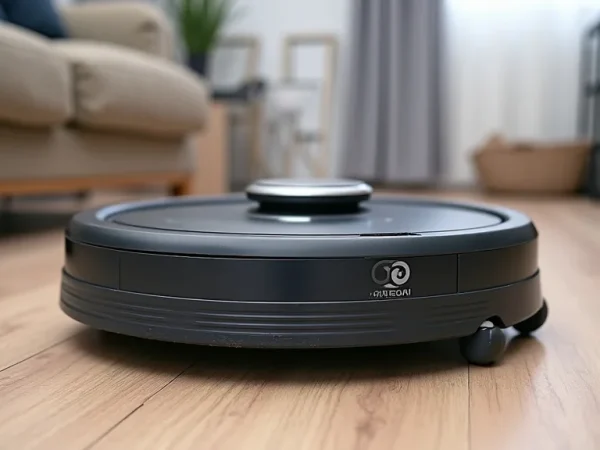
For robotic vacuums, the term aspiradora robot is widely used. This is a simple combination of aspiradora and robot, making it easy to guess its meaning.
It’s useful to know these variations, but always remember aspiradora as your go-to term.
Choosing the Right Spanish Word
Deciding which Spanish word to use often depends on what you are talking about and where you are. For general purposes, aspiradora is the safest and most common choice. It covers most of the devices you’d use for everyday cleaning.
If you are in a store in Spain and want to buy a vacuum cleaner, you would ask for an “aspiradora.” The shopkeeper will know exactly what you mean.
However, if you are discussing industrial cleaning equipment or a specialized carpet shampooer, you might need to use a more specific term. For example, if you’re talking about a machine that sprays water and then sucks it back up with dirt, you might be looking for a “limpiadora de alfombras” or even a “máquina de limpieza profunda.”
The key is to start with the most general term, aspiradora. If the context requires more specificity, then you can learn the more detailed words. This approach prevents confusion and helps you build your vocabulary gradually.
Let’s look at a scenario. Imagine you want to clean your couch. You might say, “Necesito usar la aspiradora para limpiar el sofá.” This is perfectly understandable.
You’re using the general term for your cleaning tool.
Context Matters In Vocabulary
The context in which you hear or use a word is very important in any language, including Spanish. For vacuum cleaners, context helps differentiate between the general appliance and specialized cleaning machines.
For instance, if someone is talking about cleaning up a small spill with a portable device, they might say “aspiradora de mano.” This clearly specifies a handheld vacuum. If they are talking about the large machine that sucks up water after mopping, they might be thinking of a different type of cleaner, but “aspiradora” could still be used loosely if it performs a suction function.
Consider this: You are watching a cleaning demonstration on a Spanish-language TV show. The host is showing how to clean the entire house. They will likely refer to the main cleaning tool as an “aspiradora.”
If, however, they are demonstrating how to shampoo a very dirty rug, they might switch to a term like “máquina de limpieza de alfombras” to be more precise. This shows how context guides word choice.
Learning to recognize these contexts will improve your ability to communicate effectively in Spanish.
Examples of Usage
Here are some practical examples of how you might use the word “aspiradora” and related terms in Spanish conversations:
- Asking for a vacuum cleaner: “¿Me puedes pasar la aspiradora, por favor?” (Can you pass me the vacuum cleaner, please?)
- Describing its function: “Esta aspiradora es muy potente y limpia bien el polvo.” (This vacuum cleaner is very powerful and cleans dust well.)
- Mentioning a type: “Compré una aspiradora robot para que limpie la casa sola.” (I bought a robot vacuum cleaner so it cleans the house by itself.)
- Talking about maintenance: “Hay que vaciar la bolsa de la aspiradora cuando está llena.” (You have to empty the vacuum cleaner bag when it’s full.)
These examples show how “aspiradora” fits naturally into everyday sentences. The more you hear and use the word, the more comfortable you will become with it.
Deep Dive Into The Word Aspiradora
The word “aspiradora” is a feminine noun in Spanish. This means it takes feminine articles like “la” (the) or “una” (a/an). For example, “la aspiradora” (the vacuum cleaner) or “una aspiradora” (a vacuum cleaner).
The origin of the word is from the Latin “aspirare,” meaning “to breathe upon” or “to inhale.” This root perfectly describes the core function of a vacuum cleaner – to suck in air and particles. The “-dora” ending in Spanish often signifies an instrument or agent that performs an action, much like “-er” or “-or” in English (e.g., calculator, inventor).
When learning vocabulary, understanding the etymology can be a helpful mnemonic device. Visualizing the vacuum cleaner “inhaling” dirt makes the word “aspiradora” more memorable.
Here’s a breakdown of the word’s structure and meaning:
- Aspirar: The verb meaning “to inhale,” “to suck in,” or “to aspirate.”
- -a: The feminine noun ending.
- -dor(a): Suffix indicating an agent or instrument.
This linguistic structure helps explain why “aspiradora” is the chosen term. It’s descriptive and follows common Spanish word-formation patterns.
Technical Aspects And Vocabulary
When discussing vacuum cleaners in Spanish, you might come across technical terms. Understanding these can be helpful, especially if you’re shopping for a new appliance or reading reviews.
- Potencia: Power. This refers to the suction power of the vacuum cleaner, often measured in watts or air watts. A higher wattage usually means stronger suction.
- Filtración: Filtration. This refers to the system the vacuum uses to trap dust and allergens. High-efficiency particulate air (HEPA) filters are considered very effective.
- Bolsa: Bag. Some vacuums collect dirt in a disposable bag, while others use a bagless canister.
- Depósito or Recipiente: Container or canister. This is the part of a bagless vacuum that collects the dirt and needs to be emptied.
- Cepillo: Brush. This refers to the rotating brush roll in the vacuum head that helps agitate carpet fibers and loosen dirt.
Knowing these terms can help you understand product descriptions or ask specific questions. For example, you might ask about the “potencia de succión” (suction power) or the “tipo de filtración” (type of filtration).
The technology in vacuum cleaners has advanced significantly. Modern vacuums often feature quiet operation, ergonomic designs, and advanced filtration systems to improve air quality.
Maintenance And Care Vocabulary
Keeping your vacuum cleaner in good working order requires some simple maintenance. Here are some Spanish terms related to vacuum cleaner care:
- Limpiar el filtro: To clean the filter. Filters can get clogged with dust and reduce suction power.
- Cambiar la bolsa: To change the bag. For bagged vacuums, replacing the bag regularly is essential.
- Vaciar el depósito: To empty the container. For bagless vacuums, this is a routine task.
- Desenredar el cepillo: To untangle the brush. Hair and threads can get wrapped around the brush roll, reducing its effectiveness.
- Revisar la manguera: To check the hose. Blockages in the hose can significantly impact suction.
Proper maintenance ensures your vacuum cleaner works efficiently and lasts longer. For example, regularly cleaning or replacing filters can improve air quality in your home by preventing dust from being recirculated.
A well-maintained vacuum cleaner not only performs better but also lasts for many years, saving you money and reducing waste.
Vacuum Cleaner In Spanish Across Regions
While “aspiradora” is the most common term, regional variations can exist in Spanish-speaking countries. However, for vacuum cleaners, the term is quite standardized. It’s rare to find vastly different words for this common household appliance.
In Spain, “aspiradora” is universally used. In Mexico, Central America, and most of South America, “aspiradora” remains the primary term. You might hear “aspirador” as well, which is the masculine form, but “aspiradora” is more prevalent for the appliance itself.
There’s a slight nuance in some countries where a very simple, less powerful suction device might be called a “chupón,” but this is informal and not typically used for standard home vacuum cleaners.
The consistency in the term “aspiradora” makes it easy for learners. You can travel to almost any Spanish-speaking country and be understood when you ask for an “aspiradora.”
Here are some observations about regional usage:
- General Use: “Aspiradora” is understood everywhere.
- Formal vs. Informal: In formal settings or technical manuals, “aspiradora” is always the term. Informal slang might introduce other words, but these are not standard.
- Related Appliances: For things like steam cleaners or carpet shampooers, more specific terms might be used, but the basic vacuum cleaner is “aspiradora.”
The prevalence of “aspiradora” is a testament to its effectiveness as a descriptive and widely adopted word.
Cultural Context Of Cleaning Tools
Cleaning tools often reflect cultural habits and economic conditions. In many Spanish-speaking cultures, a clean home is highly valued. The vacuum cleaner, or “aspiradora,” is a fundamental tool in maintaining this cleanliness.
The way vacuum cleaners are marketed and sold can also differ. In some regions, smaller, more affordable models might be more popular due to economic factors. In others, advanced features like robotic vacuums or those with sophisticated filtration systems might be more common among those who can afford them.
The association of a clean home with a good “aspiradora” is strong. Families often invest in good cleaning appliances as they are seen as essential for health and well-being.
Consider the act of spring cleaning, or “limpieza de primavera.” An “aspiradora” plays a central role in thorough cleaning efforts during these times.
The widespread use of the term “aspiradora” also indicates a shared understanding of modern household technology across diverse Spanish-speaking communities.
When To Use Other Terms
As mentioned, “aspiradora” is your primary word. However, there are instances where a more specific term might be appropriate, though less common for beginners.
If you encounter a very specialized cleaning device, like a wet/dry vacuum used for workshops or garages, you might hear terms like “aspiradora de líquidos y sólidos” (liquid and solid vacuum) or “aspiradora industrial” (industrial vacuum).
For a portable vacuum used for car interiors or small messes, “aspiradora de mano” (handheld vacuum cleaner) is the precise term. While you could still say “una aspiradora pequeña,” “aspiradora de mano” is more descriptive.
The term “polvera” might occasionally be heard in some very specific contexts, referring to a device that sucks up dust, but it’s quite rare and often sounds a bit dated.
Here’s a quick guide:
- General vacuum: aspiradora
- Handheld vacuum: aspiradora de mano
- Robot vacuum: aspiradora robot
- Carpet cleaner (specialized): limpiador de alfombras
For the most part, sticking to “aspiradora” will ensure you are understood clearly.
Common Myths Debunked
Myth 1: There is only one word for vacuum cleaner in Spanish.
Reality: While “aspiradora” is the most common and widely understood term, other words like “aspiradora de mano” for handheld vacuums or “limpiador de alfombras” for carpet cleaning machines exist. These are more specific but “aspiradora” serves as the general umbrella term.
Myth 2: You must use a different word for vacuum cleaner in every Spanish-speaking country.
Reality: “Aspiradora” is remarkably consistent across the Spanish-speaking world. You will be understood using this term in Spain, Mexico, Argentina, and virtually everywhere else. Regional differences are minimal for this common household item.
Myth 3: “Aspirador” and “aspiradora” are interchangeable and mean exactly the same thing.
Reality: While both relate to suction, “aspiradora” is the standard feminine noun used for the appliance itself. “Aspirador” can be used in some contexts, sometimes referring to the device or an operator, but “aspiradora” is the most direct and common translation for “vacuum cleaner.”
Myth 4: Learning the Spanish word for vacuum cleaner is difficult for beginners.
Reality: The word “aspiradora” is quite phonetic and follows common Spanish word-building patterns. Its root “aspirar” (to inhale) makes its function clear. With a little practice, it becomes very easy to remember and use.
Frequently Asked Questions
Question: What is the most common Spanish word for vacuum cleaner?
Answer: The most common and widely understood Spanish word for vacuum cleaner is aspiradora.
Question: Are there different words for different types of vacuum cleaners in Spanish?
Answer: Yes, while aspiradora is general, specific types have terms like aspiradora de mano (handheld) or aspiradora robot (robot vacuum).
Question: Will I be understood if I use “aspiradora” in all Spanish-speaking countries?
Answer: Absolutely. “Aspiradora” is the standard term and is understood in virtually all Spanish-speaking regions.
Question: What does “aspiradora” literally mean?
Answer: “Aspiradora” comes from the verb “aspirar,” meaning “to inhale” or “to suck in,” which describes the vacuum cleaner’s function.
Question: Is it hard to pronounce “aspiradora”?
Answer: The pronunciation is straightforward for English speakers. Break it down: ah-spee-rah-DOH-rah. The emphasis is on the ‘DO’ syllable.
Summary
You’ve learned that “aspiradora” is the main word for vacuum cleaner in Spanish. It’s simple, widely used, and easy to remember. You also know about specific terms for different types.
Now you can confidently talk about cleaning your floors in Spanish.