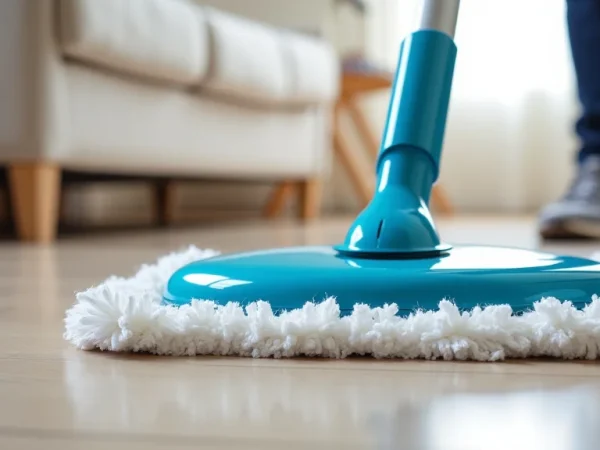
Getting a vacuum cleaner and mop all in one can seem a little tricky at first, especially if you’re new to them. You might wonder how they clean floors so well or if they really work. Don’t worry!
We’re here to make it super simple. This guide will walk you through everything step-by-step. Get ready to see how easy it is to get sparkling clean floors.
Key Takeaways
- Understand what makes a vacuum cleaner and mop all in one work.
- Learn the basic parts and how to use them safely.
- Discover the best ways to clean different floor types with your device.
- Find out how to keep your cleaning machine in top shape.
- See how it saves you time and effort around the house.
- Get answers to common questions about these handy tools.
What Is A Vacuum Cleaner And Mop All In One
How Does A Vacuum Cleaner And Mop All In One Work
A vacuum cleaner and mop all in one machine does two jobs at once: it vacuums up dirt and then mops the floor. It’s like having two cleaning tools combined into one easy-to-use device. This makes cleaning your home much faster and simpler, as you don’t need to switch between a vacuum and a mop.
These machines are designed to be efficient and effective.
The Two-In-One Cleaning Process
These devices typically work in stages. First, the vacuum part sucks up loose debris like dust, crumbs, and pet hair from your floors. This is usually done with a powerful suction motor and a brush roll that agitates the carpet or lifts dirt from hard floors.
After the dry dirt is gone, the mopping system kicks in. This might involve a water tank that dispenses a cleaning solution or plain water onto the floor. A cleaning pad or roller then scrubs the floor, picking up stuck-on grime and stains.
The dirty water is often collected in a separate tank, so you’re not just pushing dirt around.
Suction Power Explained
Suction power is measured in Air Watts (AW). Higher AW means the vacuum can pull more dirt and debris from your floors. For a vacuum cleaner and mop all in one, strong suction is vital to pick up dry messes before the mopping function is activated.
A good suction power ensures that larger particles and fine dust are completely removed, preparing the floor for a thorough mop. This prevents the mopping pad from simply spreading dry dirt. Look for machines with at least 100 AW for effective dry cleaning performance on most surfaces.
Mopping Technology
Mopping technology varies greatly. Some machines use a simple spray and scrub system with a microfiber pad. Others have advanced features like vibrating brushes or rotating mop heads that mimic manual scrubbing.
Some models even heat the water to tackle tough stains more effectively. The key is how well the mop pad or roller can lift and absorb dirt without leaving streaks. For best results, the mopping system should be able to apply the right amount of moisture without soaking the floor, and then effectively capture the dirty water.
-
Vacuuming removes dry debris like dust and hair.
A vacuum cleaner and mop all in one uses suction to clean floors first. This ensures that loose dirt is removed before any liquid is applied, preventing a muddy mess. The suction power is crucial for picking up everything from tiny dust particles to larger crumbs. -
Mopping washes away stuck-on dirt.
After vacuuming, the machine dispenses water or a cleaning solution. A mop head or roller then scrubs the floor, picking up spills, grime, and stains. This step leaves your floors looking clean and fresh without the need for a separate mopping step. -
Dirty water is collected.
Most advanced units have a system to collect dirty water. This means the water used for mopping is immediately sucked up into a waste tank. This prevents re-depositing dirt onto your clean floors and ensures a more hygienic cleaning process.
Benefits Of Using A Vacuum Cleaner And Mop All In One
One of the biggest pluses is saving time. Instead of vacuuming and then mopping, you do both at once. This cuts your cleaning time in half!
It’s also great for smaller spaces where storing separate machines might be hard. Plus, many people find it less of a chore because it’s all one step. This makes keeping your home tidy much easier and more enjoyable.
Time Savings
Imagine cleaning your whole house in half the time it used to take. That’s the magic of a vacuum cleaner and mop all in one. Instead of dedicating an hour to vacuuming and then another hour to mopping, you can get both done in about an hour.
This freed-up time can be used for other activities, like spending time with family, pursuing hobbies, or simply relaxing. For busy individuals or families, this efficiency boost is invaluable.
Space Efficiency
For those living in apartments, smaller homes, or even RVs, space is often a precious commodity. A vacuum cleaner and mop all in one unit typically has a more compact design than having both a full-sized vacuum cleaner and a separate mop and bucket. This means less clutter in your closet or storage area.
You can store one device instead of two or three, simplifying your cleaning supplies and freeing up valuable living or storage space.
Simplicity And Convenience
The convenience factor cannot be overstated. Instead of gathering your vacuum, bucket, mop, and cleaning solutions, you simply grab your all-in-one device. The process is streamlined: fill the clean water tank, press a button, and start cleaning.
Many models are cordless, offering even more freedom of movement. This ease of use makes regular floor cleaning less of a chore and more of a quick, efficient task. It’s perfect for quick cleanups after meals or unexpected spills.
-
Frees up time for other activities.
The ability to combine two cleaning tasks into one significantly reduces the total time spent cleaning. This reclaimed time can be dedicated to more enjoyable pursuits or essential household management tasks. -
Reduces clutter in your home.
A single device replacing multiple cleaning tools means less storage space is needed and your home feels less cluttered. This is particularly beneficial in smaller living spaces. -
Makes regular cleaning easier.
The convenience of having everything in one unit simplifies the entire cleaning process. This encourages more frequent cleaning, leading to a consistently tidier home environment.
Choosing The Right Vacuum Cleaner And Mop All In One For Your Home
Picking the right machine depends on your floors and how you live. If you have lots of carpet, you might want one that excels at vacuuming. For homes with mostly hard floors, a powerful mopping function is key.
Think about pets, kids, and how much cleaning you do. Also, consider if you want a corded or cordless model. We will explore these choices to help you find the best fit.
Types Of Flooring And Compatibility
A vacuum cleaner and mop all in one is best suited for hard floors like tile, laminate, vinyl, and sealed hardwood. While some models can handle carpets with their vacuum function, they are generally not designed to mop carpets. If you have a mix of flooring, look for a model that offers adjustable suction levels or the ability to turn off the mopping function when transitioning to carpet.
Some machines have special settings for delicate floors like unsealed wood to prevent damage from excess moisture.
Hardwood Floors
For hardwood floors, it’s crucial that the vacuum and mop do not over-wet the surface. Excess moisture can cause warping, discoloration, or damage to the finish over time. Look for models that offer minimal water dispensing or have specific “hardwood” settings.
A good brush roll that effectively picks up dust and debris without scratching is also important. Some machines come with specialized soft rollers designed for hardwood, ensuring a gentle yet effective clean.
Tile And Vinyl
Tile and vinyl floors are generally more water-resistant and can handle more moisture than hardwood. This means you can usually use most vacuum cleaner and mop all in one machines on these surfaces without worry. The vacuum function will pick up dirt and grit from grout lines, while the mop will tackle spills and scuff marks.
Some models even offer steam cleaning functions, which can be very effective on tile for sanitizing purposes, though caution is advised on some types of vinyl.
Carpet And Rugs
While the vacuuming aspect of these machines works on carpets, the mopping feature is not suitable for carpeted surfaces. You will need to ensure the unit allows you to turn off the water dispensing and mopping mechanism when moving from hard floors to carpets. Some machines have a “carpet mode” that optimizes suction and brush roll speed for carpet cleaning.
However, for deep carpet cleaning, a dedicated carpet cleaner or vacuum might still be necessary.
Corded Vs. Cordless Models
The choice between corded and cordless largely comes down to your cleaning habits and home layout. Cordless models offer superior freedom of movement, allowing you to clean without being tethered to an outlet. This is especially convenient for larger homes or homes with many rooms.
However, they rely on battery power, so you need to consider battery life and charging times. Corded models typically offer consistent, unlimited power but require you to manage the cord, which can sometimes be cumbersome.
Battery Life And Charging
For cordless units, battery life is a key consideration. Most modern cordless vacuum cleaner and mop all in one devices offer between 20 to 60 minutes of cleaning time on a single charge, depending on the power mode used. Charging times can range from 3 to 6 hours.
If you have a large home, you might need a model with a longer battery life or a quick-charge feature. Some high-end models even come with a second battery so you can swap it out and continue cleaning.
Power And Performance
Corded models often provide a more consistent and powerful suction, as they are not limited by battery capacity. This can be beneficial for deep cleaning or tackling very dirty floors. However, the cord can be a tripping hazard and may limit your reach in large rooms or around furniture.
Cordless technology has advanced significantly, and many high-quality cordless models now offer power comparable to their corded counterparts, making the choice often a matter of personal preference and convenience.
Special Features To Look For
Beyond the basic vacuum and mop function, many devices offer extra features that can enhance your cleaning experience. These might include self-cleaning functions, digital displays showing battery life and cleaning modes, or smart connectivity with an app. Some even have odor-neutralizing capabilities.
Thinking about what matters most to you can help narrow down your options and find a machine that truly fits your needs.
Self-Cleaning Functions
The self-cleaning feature is a major convenience. After you finish cleaning, you simply place the unit on its charging base and activate the self-cleaning mode. The machine will then rinse its internal components, brush rolls, and tubes, removing dirt and debris and leaving it fresh for the next use.
This dramatically cuts down on manual maintenance and ensures your device is always ready to go and hygienic.
Smart Technology And Apps
Some of the latest vacuum cleaner and mop all in one machines come with smart technology. This means they can connect to your smartphone via an app. Through the app, you might be able to monitor cleaning history, check battery status, get maintenance reminders, or even customize cleaning settings.
While not essential for everyone, this can add a layer of convenience and control for tech-savvy users.
Water Tank Capacity And Filtration
Consider the size of the clean and dirty water tanks. Larger tanks mean you can clean for longer without needing to refill or empty them. This is especially helpful for larger homes.
Filtration systems are also important, especially if you have allergies. HEPA filters can trap fine dust particles and allergens, improving air quality while you clean.
How To Use A Vacuum Cleaner And Mop All In One Effectively
Using your vacuum cleaner and mop all in one correctly ensures the best results. Start by prepping the area. Clear any small toys or loose items from the floor.
Make sure the clean water tank is filled and the dirty water tank is empty. Then, choose the right setting for your floor type and begin cleaning. It’s that simple!
Preparation Is Key
Before you even turn on your machine, taking a moment to prepare the space makes a big difference. This involves picking up any small objects like toys, shoes, or pet bowls that could clog the vacuum intake or get in the way of the mopping pad. For areas with very large debris, it might be worth a quick pass with a regular vacuum or broom first.
Ensure all doors leading to rooms you don’t want cleaned are closed.
Clearing The Area
Removing clutter is the first step to efficient cleaning. Small items can be sucked up and potentially damage the machine’s internal parts or block the suction. Larger items can interfere with the smooth movement of the unit, leading to missed spots or uneven cleaning.
This simple step not only protects your machine but also ensures a more thorough and consistent clean across all accessible floor surfaces.
Filling The Tanks
Most vacuum cleaner and mop all in one units have at least two tanks: one for clean water (or cleaning solution) and one for dirty water. Always use the manufacturer’s recommended cleaning solution, or plain water if specified. Overfilling or underfilling the clean water tank can affect performance.
Ensure the dirty water tank is properly seated to prevent leaks. Some machines have indicators to let you know when tanks need attention.
The Cleaning Process Step-By-Step
Once you’ve prepared the area and filled the tanks, it’s time to clean. Most machines are designed for simple, intuitive operation. You’ll typically select a cleaning mode, and then push the machine across the floor.
The device will vacuum and mop as you move. After cleaning, you’ll want to clean the machine itself so it’s ready for next time.
-
Fill the clean water tank with fresh water or the recommended cleaning solution.
Ensure you are using the correct type and amount of liquid as per your machine’s manual. Some devices allow for plain water only, while others suggest a diluted cleaning solution for tougher messes. -
Empty the dirty water tank if it is full or before starting.
This ensures maximum capacity for collecting dirty water during your cleaning session. A full dirty water tank will stop the machine from working effectively. -
Turn on the machine and select the appropriate cleaning mode for your floor type.
Most machines have different settings for different floor surfaces, such as “Hard Floor,” “Carpet,” or “Intense Clean.” Choose the one that best suits the area you are cleaning. -
Push the machine forward and backward slowly and steadily across the floor.
Allow the vacuum and mop functions to work together. Overlapping your strokes slightly will ensure complete coverage and prevent streaks. -
Once done, empty the dirty water tank and clean the brush roll and filters according to the manufacturer’s instructions.
This maintenance step is crucial for the longevity and performance of your vacuum cleaner and mop all in one. It also ensures hygienic operation for your next cleaning session.
Cleaning Different Floor Types
Using the correct settings is vital for effective and safe cleaning of various floor types. For delicate hardwood, you’ll want less moisture and gentle suction. For tougher tile, you can often use more water and a more aggressive cleaning mode.
Always refer to your machine’s manual for specific recommendations for each floor surface to avoid damage and achieve the best results.
Sealed Hardwood
When cleaning sealed hardwood floors, always use the lowest water setting available on your vacuum cleaner and mop all in one. Excessive moisture can seep into any tiny cracks or seams in the sealant, leading to swelling or discoloration. A gentle vacuum suction is usually sufficient to pick up dust and fine debris.
Avoid using harsh cleaning solutions; a small amount of pH-neutral floor cleaner or just plain water is best.
Laminate And Vinyl
Laminate and vinyl floors are more forgiving when it comes to moisture than hardwood. You can generally use medium water settings and standard suction. These materials are designed to resist spills and are easier to clean.
However, it’s still wise to avoid leaving standing water on the floor for extended periods, as it can potentially seep into seams and cause damage, especially with lower-quality laminate.
Tile And Grout
Tile floors, especially those with grout lines, can benefit from the combined cleaning power. The vacuum picks up debris from the grout, and the mop can help lift dirt and grime from both the tile surface and the grout. For very dirty grout, some machines allow for higher water dispensing or an extra scrubbing action.
Ensure your tile is properly sealed, as unsealed grout can absorb dirt and stains.
Maintaining Your Vacuum Cleaner And Mop All In One
To keep your vacuum cleaner and mop all in one working well for a long time, regular cleaning and maintenance are important. This means emptying tanks, rinsing parts, and checking for blockages. Simple steps can prevent problems and make sure your machine is always ready to tackle your floors.
Daily Cleaning And Storage
After each use, it’s best to empty the dirty water tank and rinse it out. You should also rinse the brush roll and any washable filters. This prevents odors and keeps the machine hygienic.
Storing the unit properly, usually on its charging base in a dry place, is also key. Ensure any removable parts are completely dry before storing them to avoid mold or mildew.
Rinsing Tanks And Components
The most crucial daily task is rinsing the dirty water tank. This removes any lingering residue and prevents the build-up of bacteria that can cause unpleasant smells. Also, rinse the clean water tank to ensure no cleaning solution residue remains.
If your machine has a removable brush roll, rinse that thoroughly as well. Many manufacturers recommend running a rinse cycle on the machine itself if it has a self-cleaning function.
Proper Storage
Store your vacuum cleaner and mop all in one in a cool, dry place. If it’s a cordless model, keep it on its charging station so it’s always ready for use. Avoid storing it in direct sunlight or in areas with extreme temperatures, as this can damage the battery or plastic components.
Ensure the unit is completely dry before storing it to prevent mold or mildew growth.
Periodic Maintenance
Beyond daily checks, some parts need attention every few weeks or months. This includes deep cleaning or replacing filters, checking for blockages in the hoses, and inspecting the brush roll for wear. Keeping these parts clean and in good condition ensures optimal performance and extends the life of your machine.
Cleaning Filters
Filters, especially HEPA filters, trap fine dust and allergens. Over time, they become clogged and lose their effectiveness. Most washable filters can be rinsed under running water and air-dried completely before being put back.
Some non-washable filters may need to be replaced every 6-12 months, depending on usage and the manufacturer’s recommendations.
Checking For Blockages
Periodically check the suction path, from the intake nozzle to the dirty water tank, for any blockages. Hair, large debris, or other items can get lodged in the hoses or internal pathways, reducing suction power. Most blockages can be cleared manually by disassembling the accessible parts of the machine.
Always unplug the device before attempting to clear any blockages.
Common Myths Debunked
Myth 1: Vacuum cleaner and mop all in one machines are not powerful enough for tough messes.
This is a common misconception. Modern vacuum cleaner and mop all in one machines are designed with powerful suction motors and effective scrubbing mechanisms. While they might not replace a heavy-duty steam cleaner for extremely stubborn, baked-on grime, they are more than capable of handling everyday spills, sticky residues, pet messes, and general dirt on hard floors.
Many models offer different power settings to tackle tougher jobs.
Myth 2: They just spread dirty water around.
Well-designed vacuum cleaner and mop all in one units do not simply spread dirty water. They have a sophisticated system where clean water is dispensed, and then the dirty water is immediately vacuumed up into a separate waste tank. This “clean-in-place” technology ensures that the floor is cleaned with fresh solution and that the soiled water is contained and removed, not just pushed around.
Myth 3: They are difficult to clean and maintain.
This used to be true for older models, but newer vacuum cleaner and mop all in one devices often feature self-cleaning functions. These functions rinse the internal parts of the machine, including the brush roll and tubes, with clean water after each use. While some manual rinsing and occasional deep cleaning are still necessary, the daily maintenance is significantly simplified compared to traditional methods.
Myth 4: They are too expensive for what they offer.
While the initial cost of a vacuum cleaner and mop all in one might be higher than a basic mop and bucket, consider the long-term value. You are essentially buying two appliances in one. This saves money on purchasing separate high-quality vacuums and mops.
Furthermore, the time saved on cleaning translates into a valuable return on investment for busy households.
Frequently Asked Questions
Question: Can I use any cleaning solution in my vacuum cleaner and mop all in one
Answer: It is generally recommended to use only the cleaning solutions recommended by the manufacturer of your specific vacuum cleaner and mop all in one. Using unapproved solutions, especially those with harsh chemicals or high foaming agents, can damage the machine, clog its components, or void the warranty.
Question: How often should I empty the dirty water tank
Answer: You should empty the dirty water tank whenever it is full, or after each cleaning session. Leaving dirty water in the tank can lead to unpleasant odors, bacterial growth, and reduced cleaning efficiency. Most machines have an indicator to let you know when the tank is full.
Question: Do these machines work on all types of hard floors
Answer: Most vacuum cleaner and mop all in one machines are designed for sealed hard floors such as tile, laminate, vinyl, and sealed hardwood. It’s important to check your machine’s manual for compatibility with specific floor types and to use appropriate settings to avoid damage, especially on delicate surfaces like unsealed wood.
Question: How do I deal with pet hair
Answer: Pet hair is usually not a problem for a good vacuum cleaner and mop all in one. Their strong suction power is designed to pick up fur from hard floors. Many models also have brush rolls that are effective at capturing pet hair.
Regular cleaning of the brush roll and filters will help maintain optimal performance when dealing with pet hair.
Question: Can I use a vacuum cleaner and mop all in one on wet spills
Answer: Yes, most vacuum cleaner and mop all in one machines are designed to handle both dry debris and wet spills simultaneously. They vacuum up the dry dirt while the mopping function helps clean up liquids. This makes them very convenient for dealing with accidents like dropped drinks or pet messes.
Summary
Using a vacuum cleaner and mop all in one simplifies floor cleaning. It combines vacuuming and mopping into one easy step, saving you time and effort. Choosing the right model depends on your floors and needs.
Regular maintenance keeps it running smoothly. Enjoy cleaner floors with less hassle!